
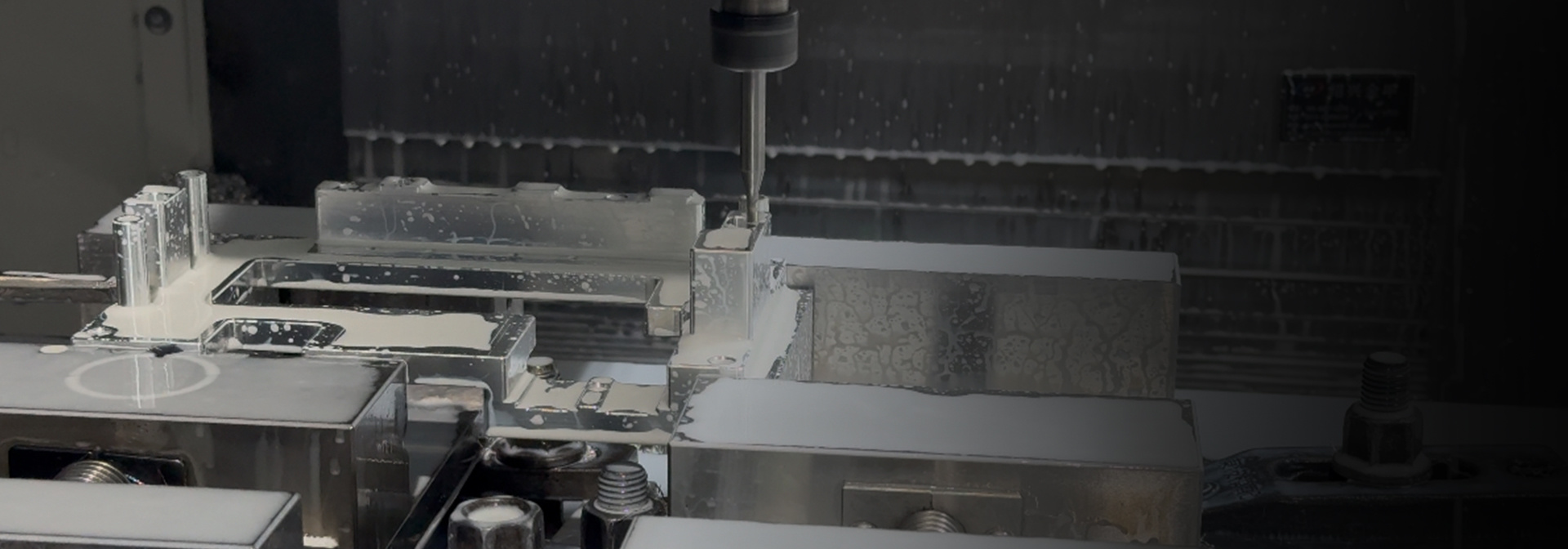
High-precision CNC milling service
ZXLcnc provides three-axis, four-axis, and five-axis milling services, capable of processing over 30 types of engineering-grade plastics and metal materials. We assist industrial designers and engineers in rapidly processing various complex and precise engineering parts at highly competitive prices. Our factory boasts over 20 advanced CNC machines and wire-cutting machines, suitable for mass production, CNC rapid prototyping, and single-piece customization.
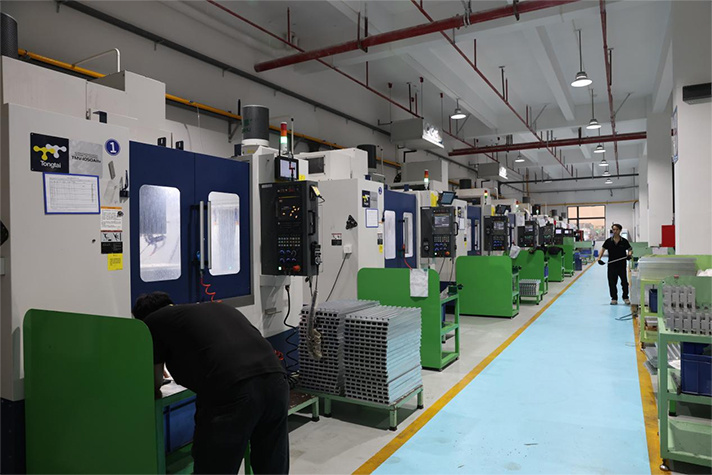
What is the working principle of CNC milling?
CNC milling, also known as computer numerically controlled milling, is a subtractive manufacturing process that utilizes pre-programmed instructions and rotating cutting tools to remove material, shaping the workpiece into customized parts. The two most commonly used milling machines in the industry are three-axis milling machines and five-axis milling machines. Three-axis milling machines are suitable for machining simpler basic shapes, while five-axis milling machines are more suitable for machining complex geometric shapes.
Main differences between three-axis, four-axis, and five-axis milling
| Machine Type | Motion axis | Description | Key aspects |
|---|---|---|---|
| Three-axis milling machine | X、Y、Z | Move along three linear directions: left and right (X), front and back (Y), and up and down (Z) |
|
| Four-axis milling machine | X、Y、Z、A | It can move along three axes and rotate along Axis A |
|
| Five-axis milling machine | X、Y、Z、A、B | It can perform all 3-axis movements and can also add A-axis and B-axis rotations |
|
metal
Aluminum alloy
Stainless steel
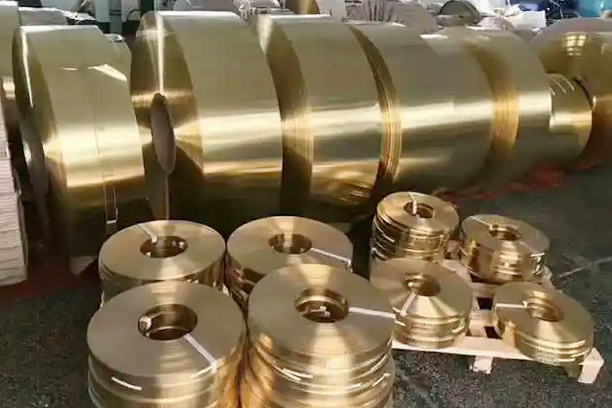
Brass
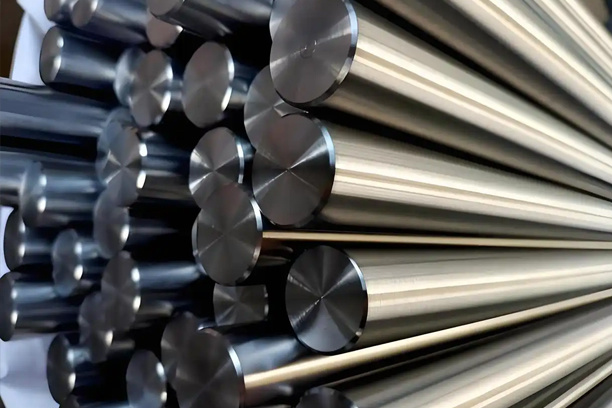
Titanium alloy
Aluminum alloy
Aluminum materials have become commonly used materials for processing due to their advantages such as low density, good mechanical properties, high thermal and electrical conductivity, and strong corrosion resistance. Aluminum alloys, such as 6061-T651, 7075-T651, and 2024-T351, are often used in CNC machining due to their good balance of strength, processability, and cost.
Stainless steel
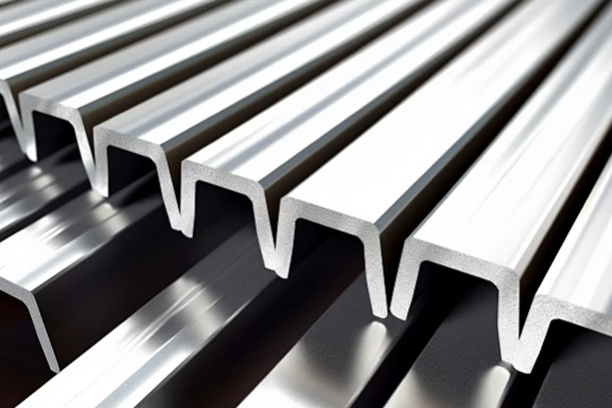
Stainless steel boasts excellent machinability and outstanding uniformity, making it highly suitable for various CNC machining projects. It also features superior workability and weldability, meeting your specific processing requirements while offering high ductility and formability to fulfill the specifications of any project.
Brass
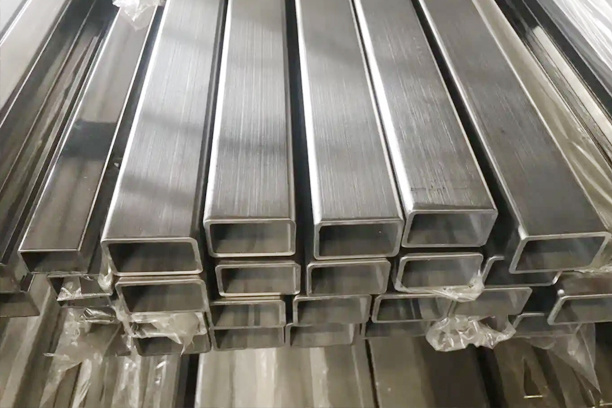
Brass is an alloy composed of copper and zinc. This precious material exhibits weather resistance and corrosion resistance, with a tensile strength comparable to that of low-carbon steel. It is also a material that is easy to machine, allowing for high feed rates and minimal coolant requirements.
Titanium alloy
Titanium is a commonly used material in CNC machining due to its excellent strength-to-weight ratio, corrosion resistance, and biocompatibility. However, its high strength, low thermal conductivity, and tendency to work harden during cutting also present unique challenges in machining.

PCR platform①
PCR platform ②
PCR platform ③
PCR platform ④
PCR platform①
PCR platform ②
PCR platform ③
PCR platform ④

PCR platform①
PCR platform ②
PCR platform ③
PCR platform ④
plastic
ABS
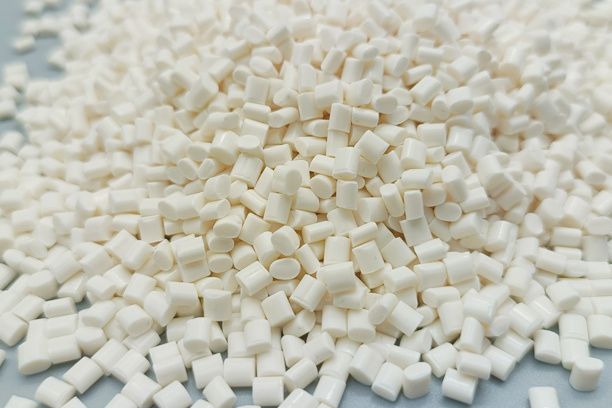
PEEK
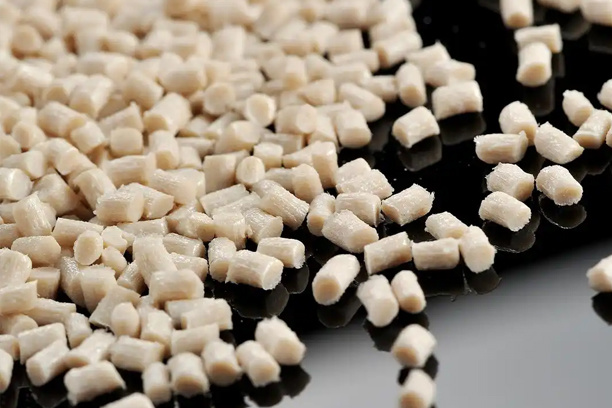
NYLON
PMMA
PVC
ABS
ABS is a low-cost, easy-to-process engineering plastic. When impact resistance, strength, and stiffness are required, ABS is an ideal material for structural applications. Due to its excellent dimensional stability, as well as ease of painting and bonding, it is widely used in pre-production prototyping.
PEEK
PEEK material (chemical name polyetheretherketone) is highly suitable for various CNC machining applications, where thermal, chemical, and combustion properties are crucial to performance.
Whether it is sheet, rod, tube or film, PEEK is a high-performance material that can be cut into various sizes and used for various CNC machining projects.
NYLON
Nylon has become a widely used and high-performance material in CNC machining due to its excellent performance. Its high tensile strength, low friction coefficient, and wear resistance make it an ideal choice for applications such as gears, bushings, and bearings that require high durability and reliability. In addition, nylon's low moisture absorption and good dimensional stability ensure its stable and reliable performance even in humid or temperature changing environments. Nylon is easy to process and has good chemical corrosion resistance, making it suitable for industries such as automotive, aerospace, and medical. With its excellent comprehensive performance, nylon has become a widely used and reliable material in various CNC machining applications.
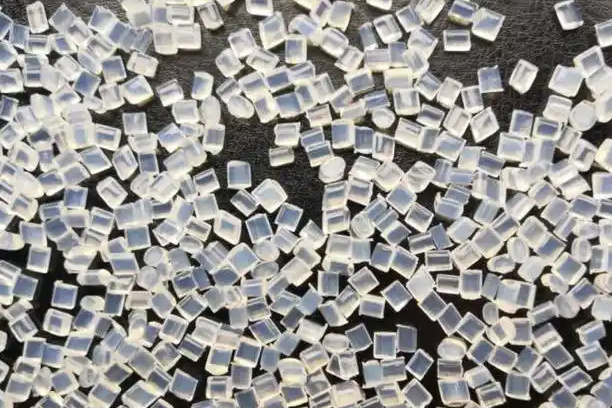
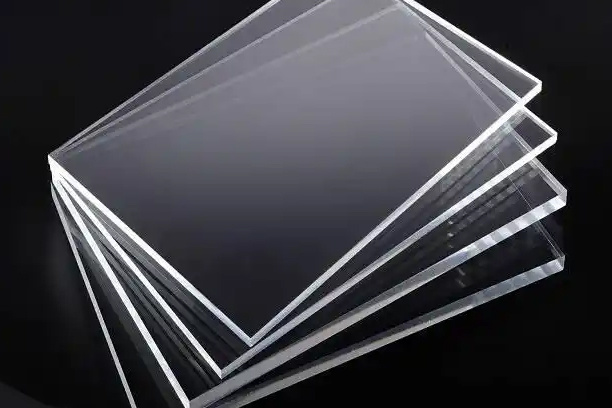
PMMA
Commonly referred to as "acrylic" or "organic glass", PMMA is a lightweight, impact resistant material commonly used as a substitute for glass in products such as skylights, signs, displays, and optical lenses.
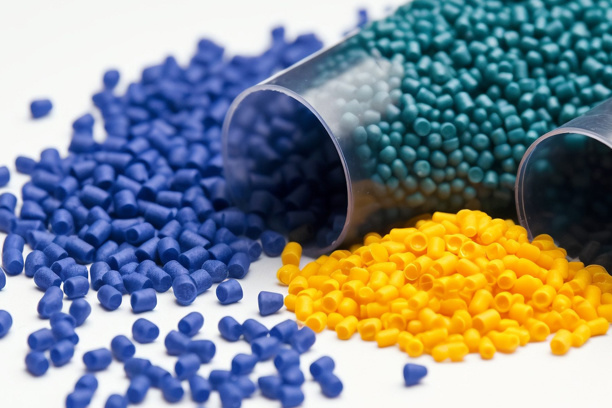
PVC
PVC is a durable thermoplastic polymer widely used in multiple industries. It has excellent versatility and can be made in both rigid and flexible forms.
PCR platform①
PCR platform ②
PCR platform ③
PCR platform ④
Answers to common questions about CNC milling
What is the difference between CNC milling and CNC turning?
Zhixinlong focuses on the development and manufacturing of fixtures and jigs for the new energy and electronics industries, while also providing customized services for non-standard equipment mechanical components; In addition, the company is deeply engaged in innovative research and mass production of welding electrode products, and is a comprehensive manufacturing enterprise integrating research and development, production, and sales.
How long does CNC milling take?
The company has a modern production base covering an area of 1400 square meters, equipped with advanced equipment such as CNC machining centers and precision measuring instruments; We have established a professional technical team of over 50 people and strictly adhere to the ISO quality management system, ensuring product quality through continuous technological innovation.
What is the cost of CNC milling?
As an important supplier in the power electronics industry, Zhixinlong's products and services are mainly used in fields such as new energy equipment and electronic manufacturing, and have established a good market reputation in related fields.
CONTACT US
Do you have parts that require CNC milling?

Focused on the development and manufacturing of fixtures and jigs for the new energy and electronics industries


Contact Us


No. 1 Manmei Road, Jiaomei Town, Longhai District, Zhangzhou City, Fujian Province, China
Copyright © 2026